
A portable power station provides energy anywhere, without the need for fuel or noise. It’s a tiny, battery-powered machine that can power phones, lights, computers, and other appliances. Whether you’re planning for an outage or going off-grid, these systems provide clean, convenient energy. However, if you’re new to the technology, the specifications and features might be bewildering. This beginner-friendly tutorial explains how portable power stations function, what powers them, and which features are most important. By the end, you’ll grasp the fundamentals and be able to confidently select the best model for your requirements—all without getting bogged down in technical language.
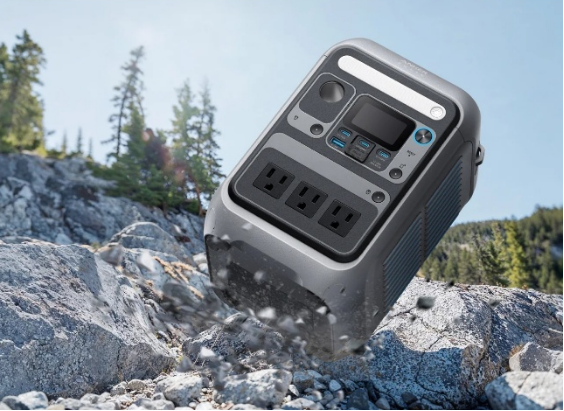
What Makes a Portable Power Station Work?
Battery Storage and Capacity
The battery is the core of every portable power system. It stores energy in watt-hours (Wh), which indicates how long it will power your gadgets. For example, a 500Wh battery can operate a 50W item for around 10 hours. The most prevalent battery types are Lithium-ion and LiFePO₄. LiFePO₄ is more durable and heat-resistant than lithium-ion, which is lighter and more compact. Capacity influences weight, size, and runtime, so choose according to your power requirements. Always verify the usable capacity—some systems set aside a part to safeguard battery health. Understanding how much energy your station can store allows you to plan for both everyday use and emergencies.
Inverter and Power Output Explained
The inverter turns the battery’s DC power into AC energy, which operates most home equipment. Portable power stations have two main output ratings: continuous power and surge power. Continuous output indicates what the item can consistently generate, whereas surge covers small spurts upon startup—important for refrigerators or equipment. A 1,000W inverter with 2,000W surge capacity can power a 1,000W appliance while handling 2,000W peaks for a few seconds. Always match your device’s wattage to the ratings. Overloading might result in shutdowns or damage. Choose an inverter that suits your most important equipment, and make sure it’s a pure sine wave for delicate devices.
Charging Methods: Wall, Car, and Solar
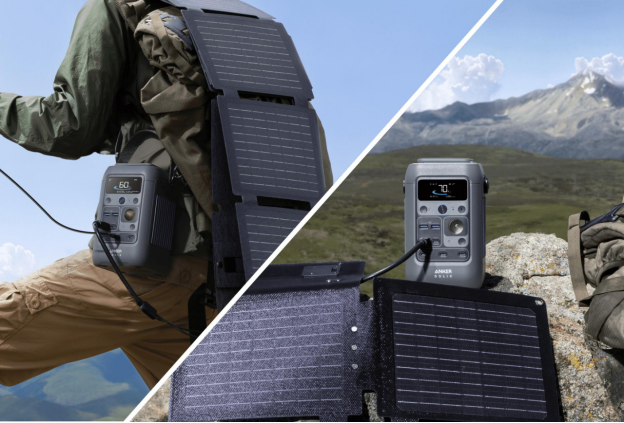
Portable power stations are recharged by three basic methods: wall plugs (AC), automobile chargers (DC), and solar panels. Wall charging is the quickest and most reliable—ideal for excursions or storms. Car charging is slower, but it is handy in transportation or during an emergency. Solar allows you to recharge off-grid using sunshine. Examine the station’s solar input rating; more wattage indicates faster solar charging. Models equipped with MPPT controllers capture more energy from panels, especially in low-light conditions. Some models enable dual charging, which allows you to use both solar and AC power for maximum speed. Always use suitable wires and check the input limitations. Flexible charging choices ensure that your power station is helpful wherever you go.
What Features Should Beginners Look For?
Port Types and Device Compatibility
Check the types and quantity of ports that a power station provides. Most models have AC outlets for normal plugs, USB-A for phones, USB-C for quicker device charging, and 12V DC connectors for automotive supplies or camping gear. Some devices have wireless charging pads or USB-C ports for sunlight. Make sure the port option matches your devices, especially if you intend to charge numerous devices at once. High-end stations allow for simultaneous charging across all ports; however, budget models may restrict output when utilizing many at the same time. A well-rounded port layout eliminates the need for adapters or extra hubs, making everything simpler and more streamlined.
Safety Systems and Battery Management
Safety is critical, particularly for novices. A decent portable power station should incorporate built-in safety features such as short-circuit protection, overvoltage regulation, and temperature control. Look for systems with Battery Management Systems (BMS), which monitor charging and discharging to avoid overheating or deep drain. Some systems provide automated cutoff or surge protection to protect connected devices. If you want to operate the station indoors or near children, UL certification or corporate safety markings are recommended. These systems work in the background, reducing the chance of damage or failure—even under varying watt and horsepower demands. You get peace of mind knowing your power station runs safely—without constant attention or technical know-how.
Display, Controls, and App Monitoring
A clear, easy-to-read display allows newcomers to monitor power use and battery levels at a glance. Look for a panel that displays real-time input and output wattage, remaining charge, and any danger signs. Touchscreens or digital interfaces simplify operation, while separate buttons allow you to change between AC and DC ports independently. Some versions have mobile apps that link via Bluetooth or Wi-Fi, allowing for remote monitoring and control. These capabilities allow you to detect problems early, schedule recharging, and understand your consumption patterns. Good displays and intuitive controls transform a simple device into a user-friendly experience—especially if you’re managing power requirements during an emergency or while on the run.
Conclusion
Understanding how portable power stations function allows you to choose the proper one without guessing. The battery, inverter, and charging methods serve as the foundation, while user-friendly features facilitate day-to-day use. To minimize surprises, beginners should consider battery capacity, port compatibility, and safety features. Pay attention to real-world requirements, not simply fancy specifications. A portable power station provides flexibility and peace of mind, whether you’re preparing for outages, powering a weekend getaway, or running equipment off the grid. Start with what’s most important to you, and you’ll find a method that will keep your gadgets charged no matter where life takes you.